
PERSONAL GROWTH & EXECUTIVE COACHING
You built the career.
But...
Something's Missing.
Most success frameworks give you better systems. I give you a better foundation for a truly rich life. My New Rich Life is the starting point for integrating your mind, body, and soul around purpose.
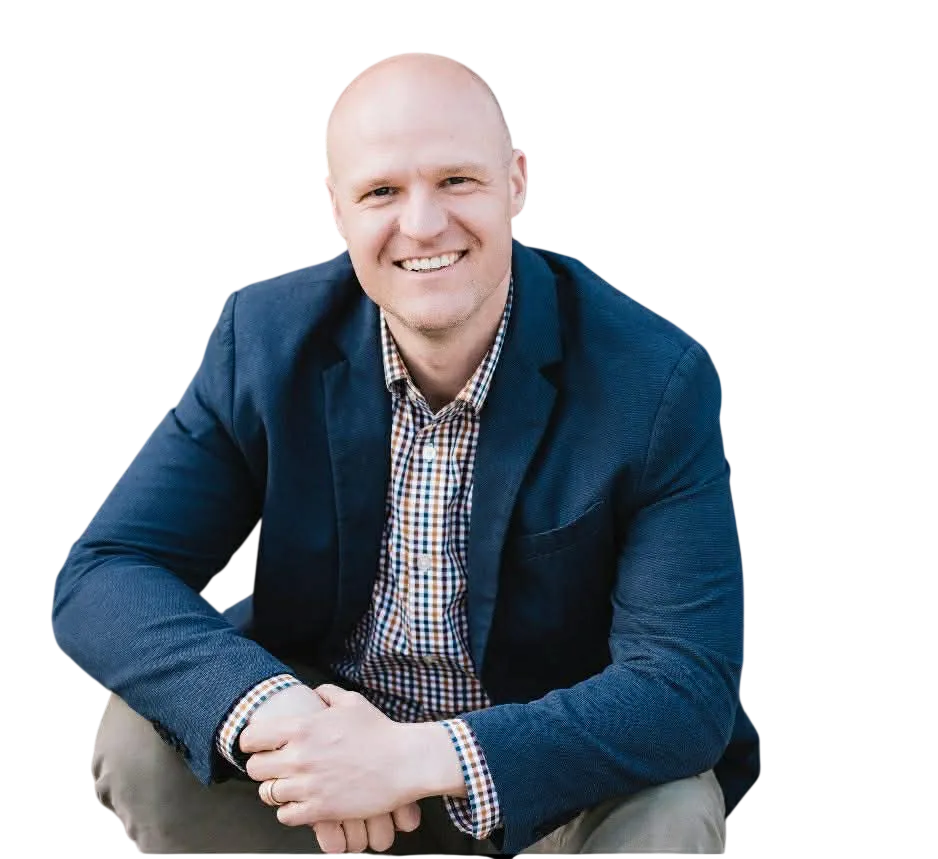
TRUSTED BY PROFESSIONALS AND TEAMS ACROSS THE COUNTRY
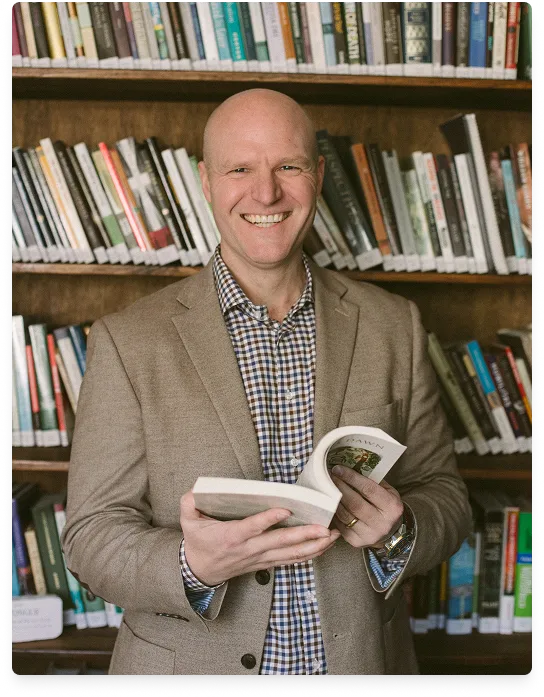
ABOUT MATTHEW
Personal Development with a Soul...
I'm not your typical life coach. (I'm also a university dean, a church leader, and a guy who's spent 20 years watching high-achievers succeed at everything — and still feel hollow.)
The problem isn't your systems. It's your definition of rich.
I help middle-aged professionals and driven entrepreneurs stop optimizing the wrong life — and start building the one they were made for. Mind. Body. Soul. All of it.
“I love helping people define the kind of person they want to be AND make a clear plan for how to become that person.”
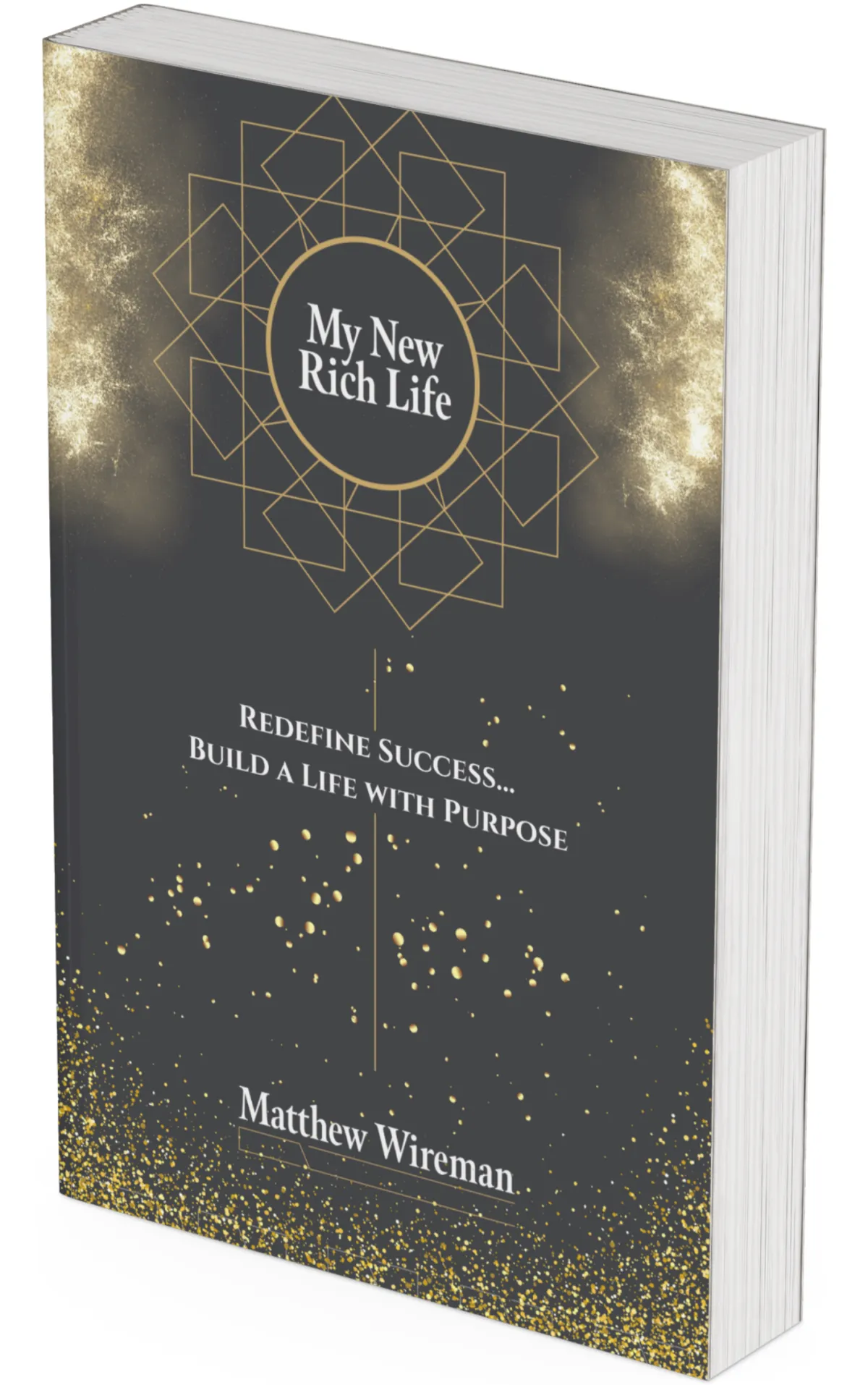
My New Rich Life
What if "rich" didn't mean what you think it means?
This isn't a money book.
It's a reorientation.
In My New Rich Life, I walk you through a framework for rebuilding your life around purpose, character, and the integration of every part of who you are — including the part most coaches ignore entirely.
HOW I CAN HELP
Coaching That Integrates Every Part of Your Life
Whether you need personal clarity or want to elevate your entire team, there's a path designed for you.

1:1 Coaching
Six dedicated sessions to define who you want to become and build a clear, actionable plan to get there. Personalized guidance for your unique journey.
$997 /6 sessions
MOST POPULAR

Team Coaching
Transform your team's culture with six powerful coaching sessions. Integrate mind, body, and soul at the organizational level for lasting impact.
$2,997 /4 sessions

Monthly Mastermind
Join a community of like-minded professionals committed to personal excellence. Monthly group sessions for accountability, growth, and connection.
$197 / per month
RESOURCES & COURSES
Tools to Fuel Your Personal Growth
From free workbooks to in-depth courses, find the right resource for wherever you are on your journey.
Free
My New Rich Life Workbook
Start your journey with this free workbook designed to help you define and build your richest life — mind, body, and soul.
$17
Purpose-Driven Goal Setting
A focused guide to aligning your goals with your deeper purpose. Learn the framework that makes goal-setting stick.
$27
Integrated Life Guidebook & Mini-Course
Dive deeper into the Integrated Life Framework with this guidebook paired with a self-paced mini-course.
$97
Pathway to Purpose Course
A comprehensive course to discover your life's purpose and build actionable pathways toward living it daily.
$297
My New Rich Life Course
The flagship course. A complete transformation program integrating mind, body, and soul for lasting change and a truly rich life.
THE PODCAST
Off The Wire
Weekly conversations about personal growth, character development, and integrating every part of your life. Practical wisdom for people who want to actually change, not just talk about it.
FREE DOWNLOAD
My New Rich Life Workbook
Start building the life you were designed to live. This free workbook will walk you through defining your purpose, setting meaningful goals, and integrating your mind, body, and soul.
We respect your privacy. Unsubscribe at any time.
WHAT OTHERS SAY
Transformations That Speak for Themselves
"You will love Matt Wireman’s My New Rich Life. You will benefit from this program in ways that you do not initially expect."
Joshua V.
Counselor & Entrepreneur
"It will not get you rich quick or turn you into a new person tomorrow, it will show you a path to introspection and driven implementation that will point you towards true success."
Nathan B.
B-2-B Client Experience Liaison
“Our team coaching sessions completely shifted our company culture. Matthew helped us align around shared values and purpose. The results have been extraordinary — both in performance and morale.”
Michael K.
CEO, Tech Startup
Nathan
B-2-B Client Experience Liaison
“Working with Matthew was a turning point in my life. His approach to integrating mind, body, and soul gave me a clarity I never had before. I finally have a plan that actually makes sense.”
John D.
Executive Leader
“The monthly mastermind has been incredible. The community, the accountability, and Matthew's wisdom — it's unlike any other coaching program I've tried. Real transformation happens here.”
Sarah R.
Business Owner
“Our team coaching sessions completely shifted our company culture. Matthew helped us align around shared values and purpose. The results have been extraordinary — both in performance and morale.”
Michael K.
CEO, Tech Startup
FROM THE BLOG
Latest Articles
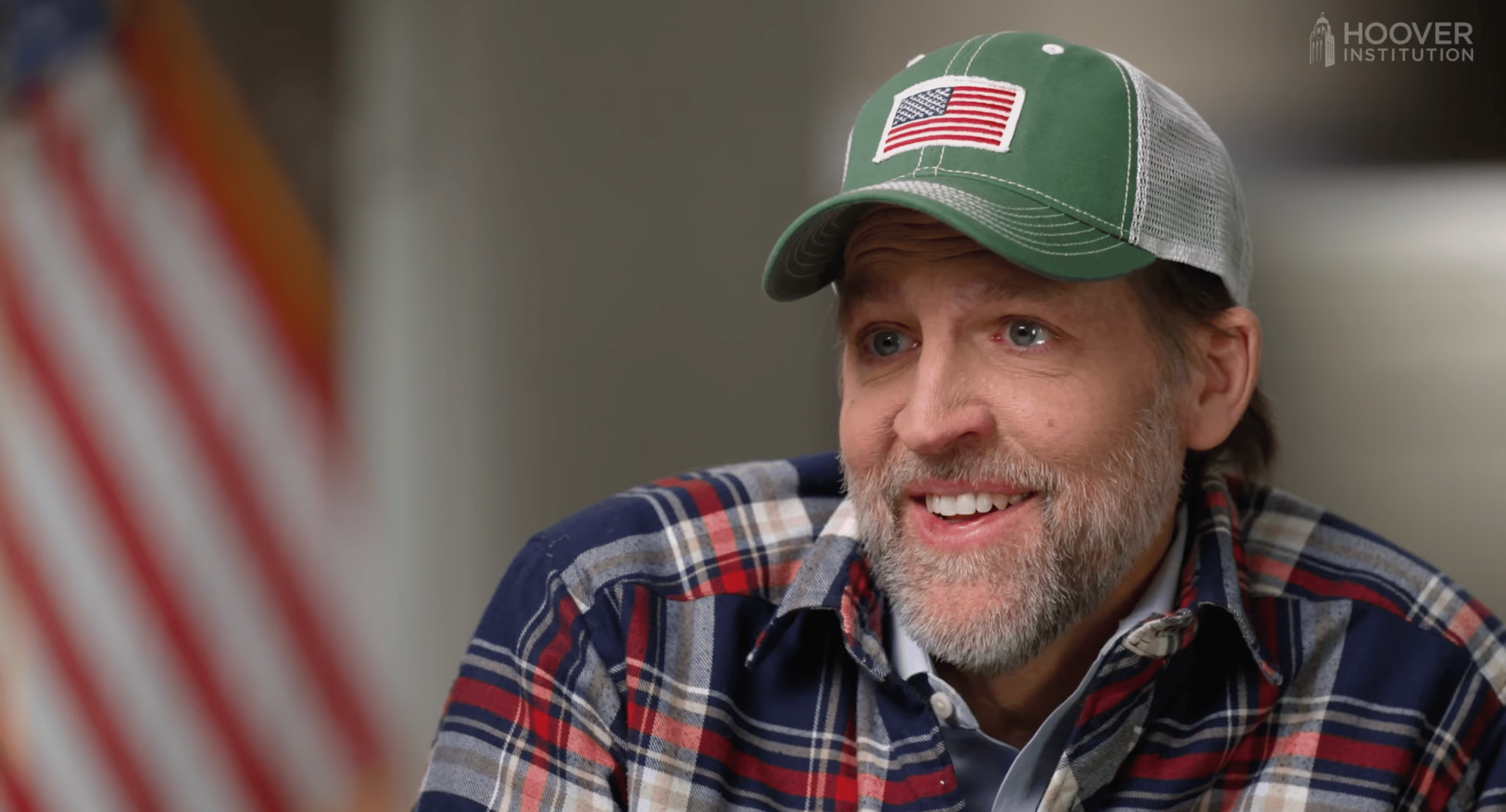
Surrendered Leadership Changes Everything
Ben Sasse's 60 Minutes interview is a masterclass in surrendered leadership. Facing terminal cancer, he reminds high achievers that control is an illusion and that the best leaders grip loosely, lead ... ...more
Leadership
May 14, 2026•5 min read
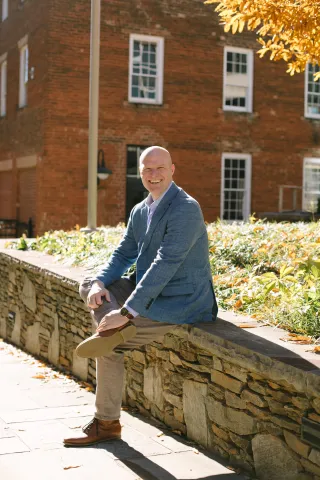
The Missing Piece: Why High Achievers Neglect the Body and Soul
Most high achievers are crushing it professionally — and running on empty personally. In this post, we break down why driven people neglect the body and soul while over-investing in the mind, and what... ...more
Leadership
April 14, 2026•6 min read
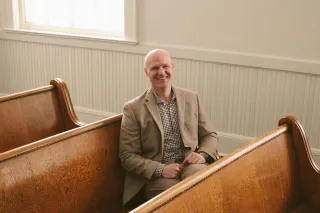
The Leader Nobody Talks About: Strong Enough to Be Vulnerable
What does it really mean to lead well? In this post, we explore Andy Crouch's powerful framework from Strong and Weak — and what it reveals about the two things every great leader must hold together: ... ...more
Leadership
April 14, 2026•7 min read

Leadership as Service: The Hardest Shift You'll Ever Make
How do we enjoy leading and freeing up our motivations to be who God created us to be as agents of change and helping others do the same? ...more
Leadership
April 14, 2026•6 min read

PERSONAL GROWTH
The 3 Pillars of an Integrated Life
Discover the foundational pillars that support lasting personal transformation...

GOAL SETTING
Why Most Goals Fail (And What To Do Instead)
Learn why 92% of people never achieve their new year's resolutions...

LEADERSHIP
Building Teams That Thrive From the Inside Out
Great teams aren't built on strategy alone. They're built on character, trust...
READY TO START?
Book Your Free 30-Minute
Coaching Call
No pressure. No pitch. Just a genuine conversation about where you are and where you want to go. Let's see if we're a good fit to work together.
Personal growth coaching that helps you define who you want to become and build a clear plan to get there.


NAVIGATION
PROGRAMS
CONNECT
Email Us
© 2025/2026 Matthew Wireman. All rights reserved.